


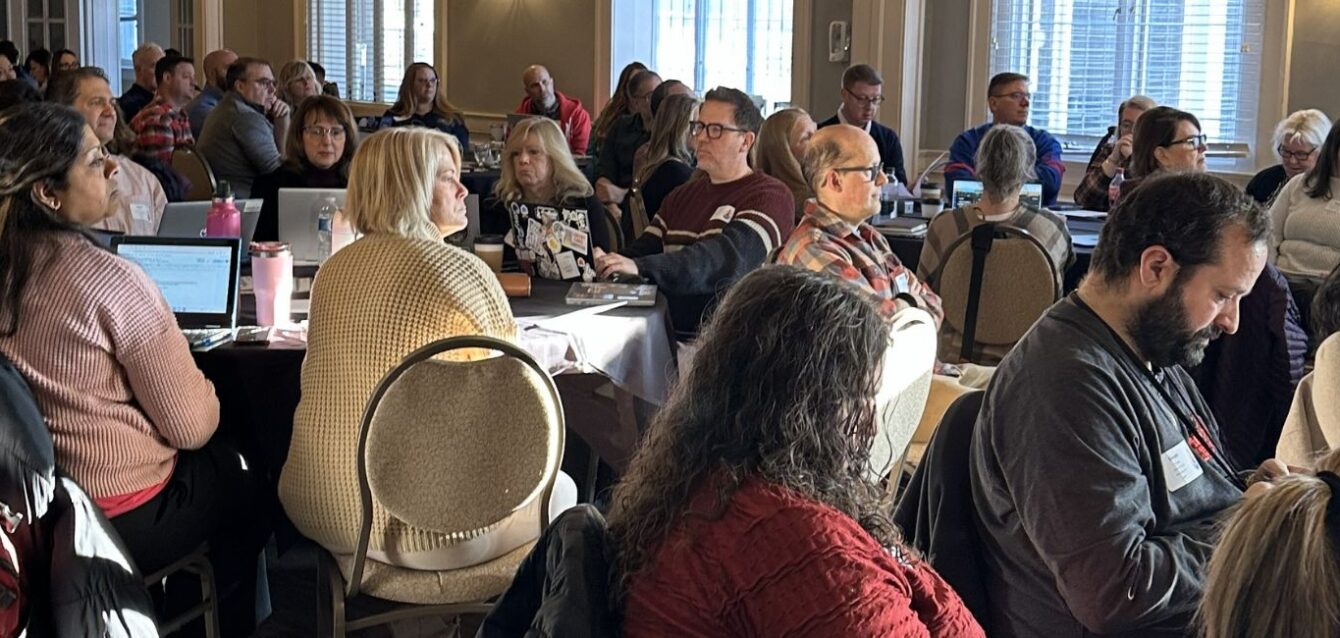
What happens when the conversation about AI in schools starts not with technology, but with teachers? In early December, educators and education leaders gathered in Rochester to explore that question at the Teaching About AI Convening. The focus was simple and necessary: listen to the people who experience the impact of AI every day in the classroom.
Terri Eichholz, Instructional Designer at the Mark Cuban Foundation, attended the convening as a panelist. Drawing on nearly 30 years as a classroom teacher and her current work leading teacher programming, Terri joined colleagues from across the education landscape to move the conversation past fear and hype. Instead, the group focused on what educators actually need right now to teach, assess, and support students thoughtfully.
From Expert Dialogue to Educator Voices
The event brought together educators, researchers, and school leaders to take an honest look at real classroom challenges, including assessment, equity, and grading. Over the first part of the gathering, panelists shared perspectives and experiences, then worked together to develop a set of guiding questions, known as “provocations.” These questions were designed to push thinking beyond surface-level fixes and toward meaningful change.
On December 6, the conversation opened to the broader community. Hundreds of regional educators joined a public panel and listening session, where Terri and other panelists responded to questions and helped facilitate small-group discussions. Teachers shared what they were seeing in their own districts and worked through the provocations together, grounded in real classroom realities.
Grounded in Classroom Experience
In her session, “Changes in How We Assign Work,” Terri connected today’s concerns about AI to long-standing issues in education. She emphasized that many of the challenges attributed to AI existed long before current technology and that meaningful progress requires looking at the system as a whole.
“As a former classroom teacher of nearly 30 years and the current head of our teacher programming, I was able to communicate the challenges and opportunities that teachers are encountering in the age of AI,” Terri shared. “I could speak to the systemic issues that have been around since before most of our current technology, and why it is important to use systems thinking to improve education.”
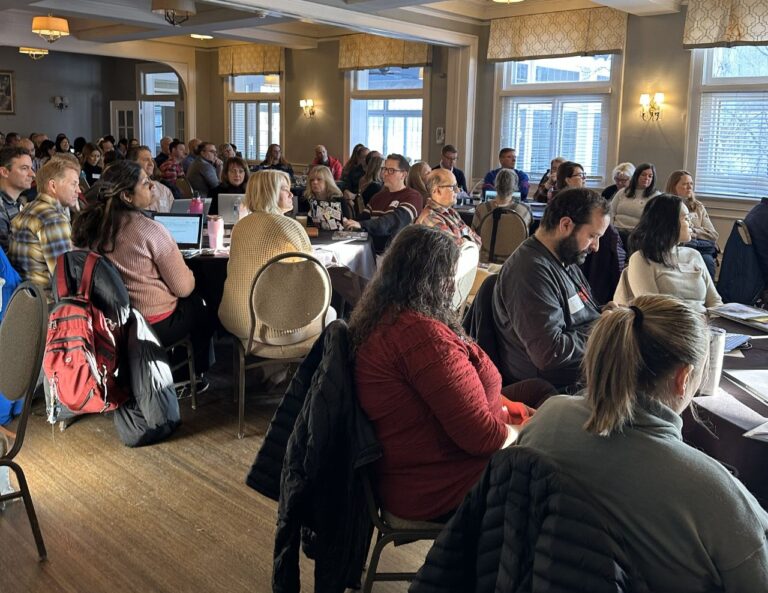
That message resonated strongly with educators in the room. Many agreed that student misuse of AI is rarely the core issue. More often, it points to unclear assignments, outdated grading practices, or assessments that no longer reflect meaningful learning.
Together, educators explored questions such as:
- How can AI support real improvement instead of adding pressure to teachers?
- What responsibility do schools have to teach the broader community about these tools?
- What barriers prevent schools from trying new approaches?
- How can assessment and grading systems evolve in ways that better serve students?
Why Listening to Teachers is the Only Way Forward
One of the clearest takeaways from the day was that while district approaches vary widely, educators share a common need for thoughtful guidance and collaboration. Teachers are not asking for rigid rules or quick fixes. They are asking to be part of the conversation.
This approach closely aligns with the Mark Cuban Foundation’s mission to promote ethical, transparent, and responsible use of AI. By centering educator voices, the Foundation helps ensure that decisions about AI in education are grounded in real experience and focused on students.
Share Your Perspective on the Provocations
The conversations in Rochester did not end when the convening wrapped. The provocations developed during the Teaching About AI Convening are meant to be living questions, shaped and strengthened by educators and education leaders.
We invite teachers, school leaders, and education partners to review the v1.0 Provocations and share their perspective. Your feedback helps ensure these ideas reflect real classroom experiences and support meaningful change in education.
Stay Connected
If you are a teacher, leader, or partner interested in responsible AI in education, join us. Sign up for the Mark Cuban Foundation newsletter to stay connected and help lead the way.