


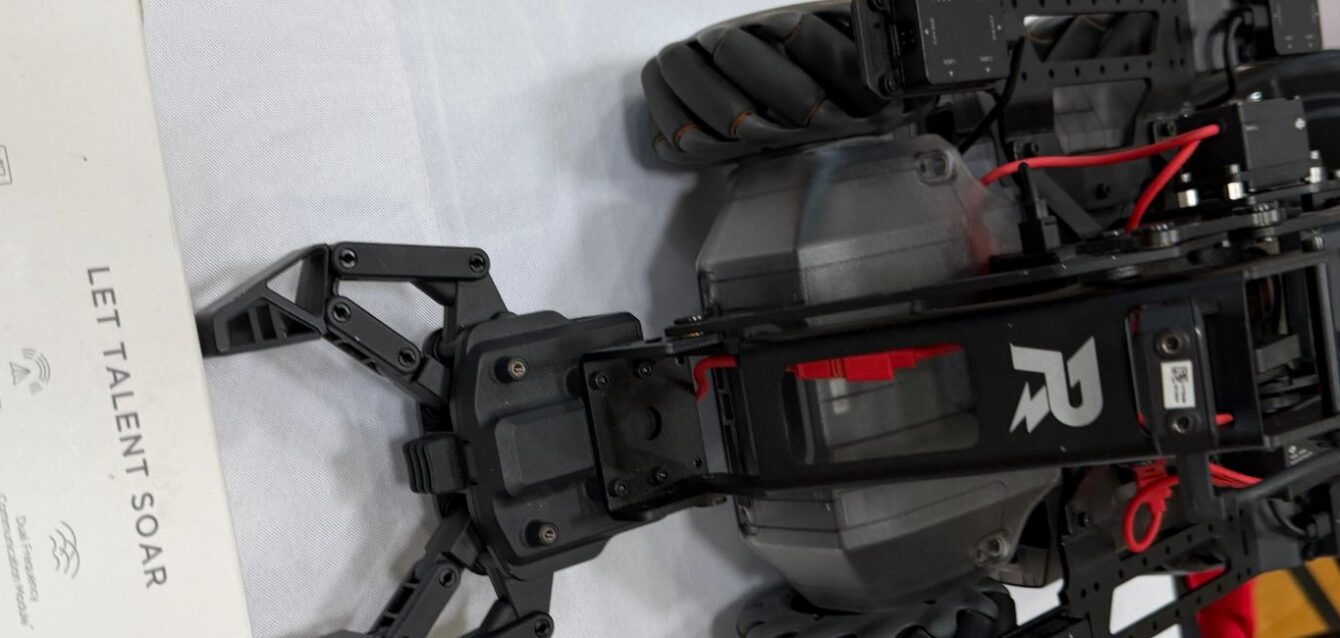
On April 11 in Greensboro, NC 4-H’s Game of Drones Competition brought together 15 rural teams of middle and high school students for timed drone and robotics missions. Hosted by NC A&T, Cooperative Extension, and NC 4-H, the free event gave students 10 minutes per challenge to program drones or robots through a series of announced missions, using a compass, tape measure, and computing tools to complete each task.
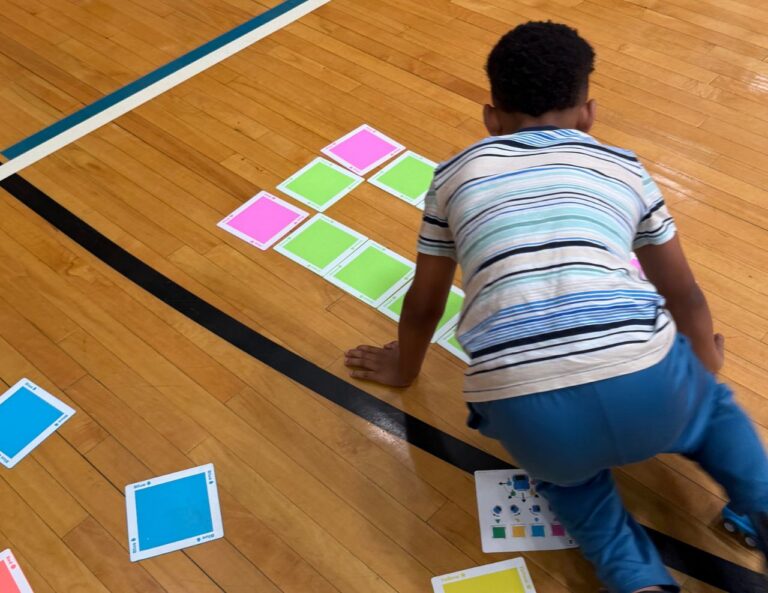
Middle school students used block-based coding, while high school students worked in Python. Younger attendees participated in an elementary STEM robotics playground held alongside the main competition. Each round started with an announced challenge. From there, students had 10 minutes to figure out how to solve the puzzle using their own tools and code.
A Past Winner Who Came Back to Mentor
Alice, a Hoke County High School student who won last year’s competition, returned this year as a mentor and volunteer rather than a competitor. Enrolled in Drones I through her school’s Career and Technical Education program, she described a curriculum focused on flight skills and manual control. The course teaches precise drone operation. What it does not yet address is the next layer: path planning, sensor-based navigation, autonomous decision-making, and mapping. Those capabilities require AI instruction that most CTE drone courses have not yet incorporated.
Where the Mark Cuban Foundation Comes In
This gap presents an opportunity. The Mark Cuban Foundation’s new partnership with 4-H, funded through Young Futures, will train students with existing drone skills to develop the AI competencies needed for tomorrow’s workforce. The partnership will offer AI workshops, mentorship from industry experts, and practical projects that introduce advanced mapping, plan flight paths, and utilize sensor data, offering additional skills for students in future careers such as search and rescue or land management.
The partnership is designed to meet students at their current skill level and help them advance beyond the skills currently offered in the CTE classroom. Students like Alice are a good example of someone who has utilized all of the options available to her. She has flight skills, competed at previous Game of Drones events, and now comes back to help others do the same. Adding a layer of AI education builds on what 4-H has already put in place.
4-H connects rural youth to STEM through challenges tied to real industries, and the Game of Drones missions reflect contexts these communities already know: farming, forestry, warehouse management, agriculture, and safety. The Mark Cuban Foundation’s role is to take students from where 4-H has brought them and add the tools that give them a competitive edge as drone technology and AI increase in the workforce.
If your organization is invested in expanding STEM access for rural or underserved students, we want to hear from you. Contact us to discuss collaboration opportunities.