


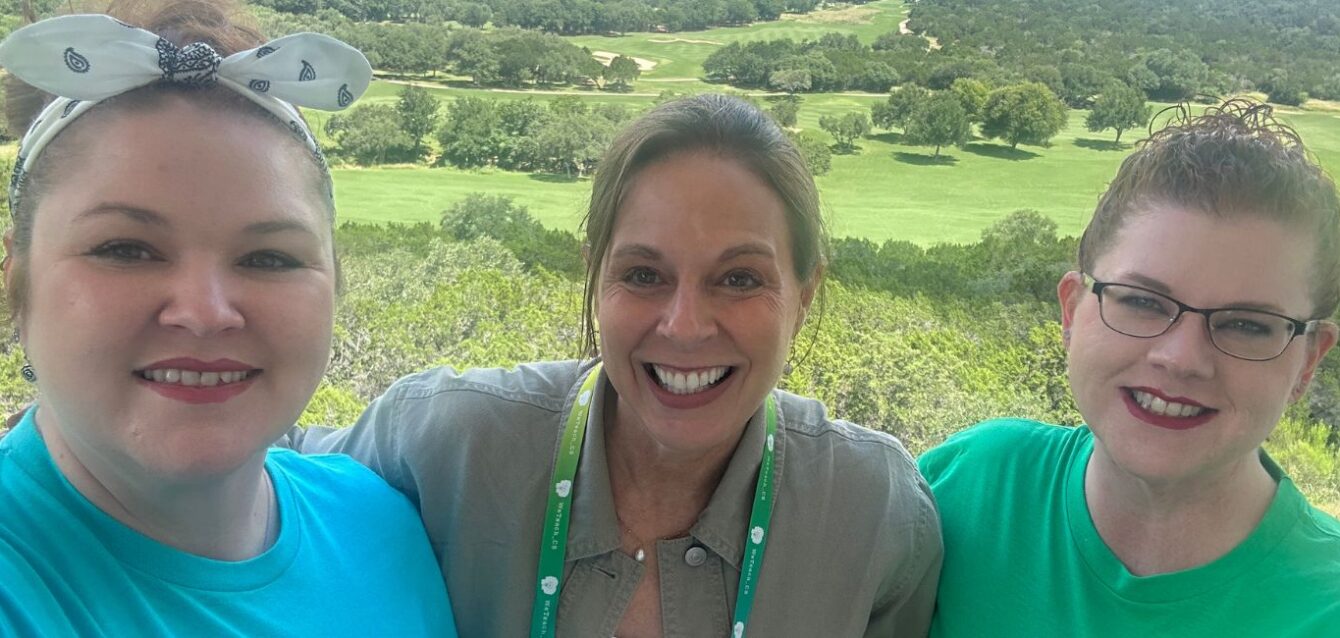
At a recent Texas conference, a Mark Cuban Foundation educator told teachers that schools should coach students on how to use artificial intelligence rather than try to catch them using it.
Terri Eichholz, who leads AI Bootcamp initiatives for high school teachers, spoke at the WeTeach_CS Summit 2026 in San Antonio. The two-day conference, hosted by WeTeach_CS, brought together K-12 teachers to share ideas and best practices for teaching computer science and cybersecurity. This year’s theme was “Celebrating Brilliance.”
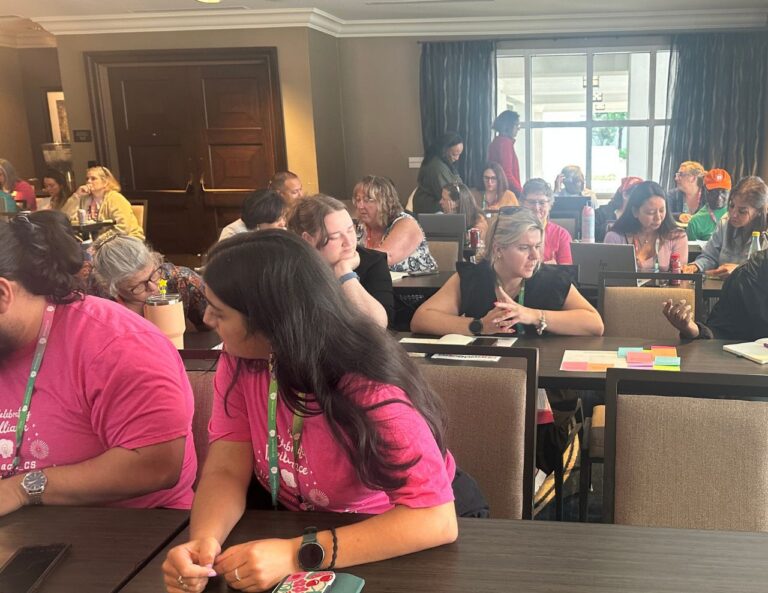
Her session, “Ethical AI Policies for High School: Moving Beyond Detection,” focused on helping teachers move past detection anxiety and toward approaches that trust students to exercise their own judgment. Participants worked through an activity adapted from the “Align on the Line” exercise developed by the Center for Digital Thriving, which asked them to take a student’s point of view and recognize how hard it can be to tell when AI use is acceptable and when it crosses a line. Building on that discussion, the educators drafted ethical policies that give students more guidance and voice regarding responsible AI use.
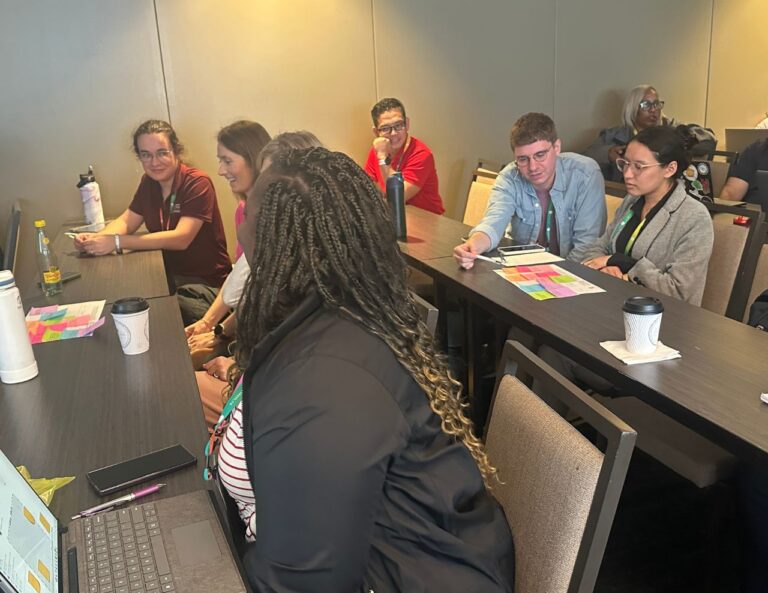
That question of guidance, or the lack of it, came through in a student panel Eichholz attended. Students said they received little direction from teachers and want educators to show them how to use AI responsibly. Some said they are shifting toward cybersecurity rather than computer science more broadly, pointing to a shortage of entry-level jobs. The students also reassured their teachers, saying AI will never replace them because it cannot do everything a teacher does.
The summit featured a keynote, panels, breakout sessions, and networking. Maya Israel, a professor of educational technology and computer science education at the University of Florida, delivered the keynote, “Designing for Meaningful Participation: UDL in K-12 Computer Science.” Israel directs the CS Everyone Center for Computer Science Education and serves on the Florida K-12 AI Education Taskforce. Her talk examined how Universal Design for Learning can support participation from all students as schools expand access to computer science. “Design for functional need, not disability,” Israel said.
Carol Fletcher, director of Expanding Pathways in Computing at the University of Texas at Austin, was among the other speakers. The event’s vendors also included MIT App Inventor, Lego Education and Vex Robotics.
Beyond her own session, Eichholz sat in on a panel on industry perspectives on AI, the student panel, and sessions on AI and entrepreneurship, and on the question of how to make AI visible, ethical, and teachable. She also reconnected with a Teacher Fellow alum, Lauren Kelly, and met a new Teacher Fellow, Jessica Campos, both of whom were presenting.
The conversations at the summit track closely with the work of the Mark Cuban Foundation, which runs AI Bootcamp programs for high school teachers and their students. Many teachers have been given little or no direction on how to set their own AI policies. The foundation’s work centers on helping them build guidance that supports ethical use while leaving students room to make their own responsible choices.
The Mark Cuban Foundation offers a bootcamp for high school teachers. Details are at markcubanai.org/teacherbootcamp.