


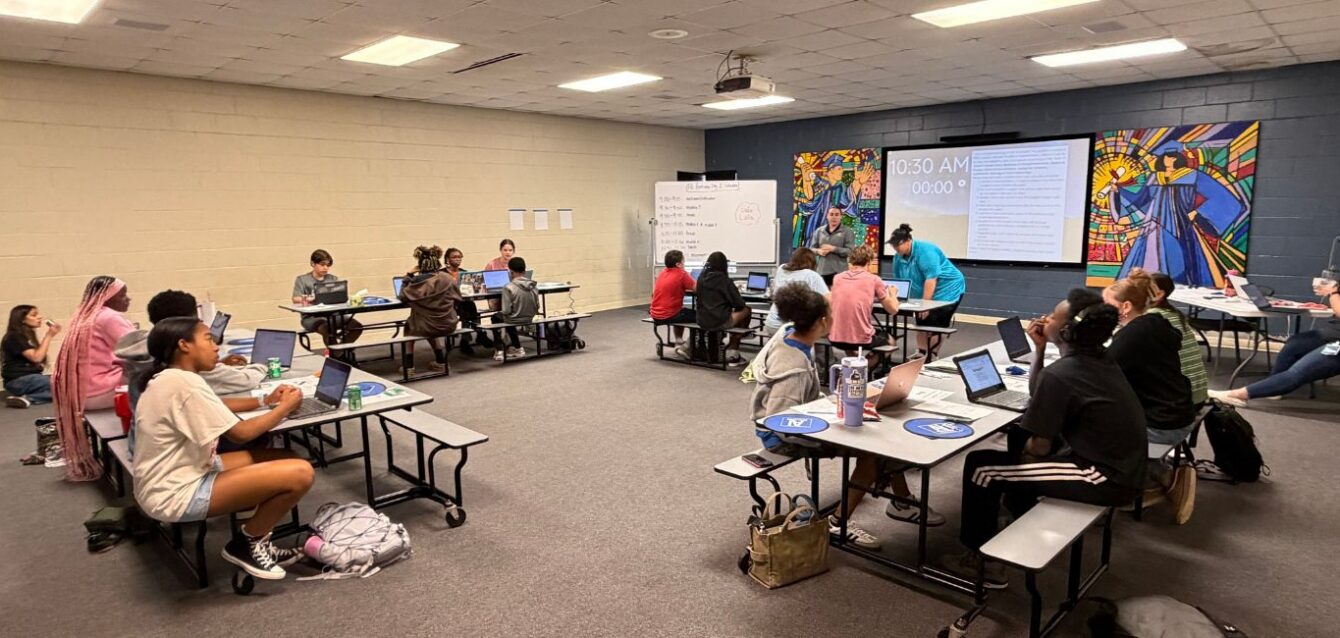
The Mark Cuban Foundation launched its first Boys and Girls Clubs AI Bootcamp pilot in April at the Wake County NC location, bringing hands-on artificial intelligence education to local high school students through a new community-based model.
The three-day program, sponsored by Infosys Foundation USA, gave students a satellite bootcamp experience facilitated entirely by club staff. These teenagers, motivated by their belief in the importance of AI for their futures, chose to attend. Many were already leaders in their clubs and active in their communities, and were excited to learn about how AI is reshaping future work opportunities.
Chief Learning Officer Charlotte Dungan attended on the second Saturday. As she walked through the room and spoke with students about their projects and motivations, she was struck not only by their engagement but also by what the day revealed about their mentors.
“I’m proud and excited to be bringing Boys and Girls Clubs and the Mark Cuban Foundation together to provide more opportunities for students to experience AI education,” Dungan said. “My own kids have been part of Boys and Girls Clubs, and now I feel like I get to give back to the BGC community, just as they supported me as a parent when my kids were younger.”
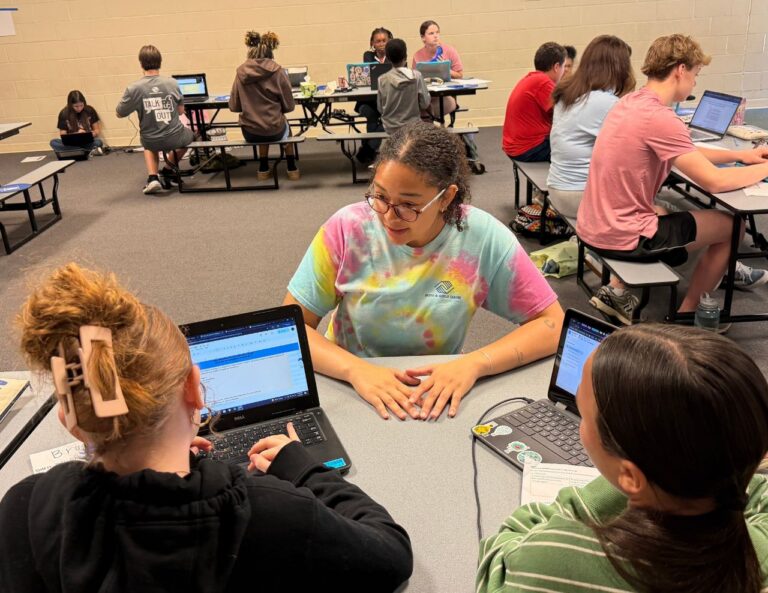
Terri Eichholz of the Mark Cuban Foundation led curriculum design and worked with Boys and Girls Clubs throughout the planning process, building a version of the foundation’s flagship AI Bootcamp that club staff could run without corporate volunteers. The content aligned with the flagship program topics, adjusted the pacing, and added support structures including volunteer training to fit the club environment.
That environment, distinct from a corporate setting, proved significant. Students enjoyed gym time between sessions, relaxed in the recreation room during breaks, and enjoyed a snack table throughout the day. This rhythm kept their energy up and their focus sharp. Notably, several staff members guiding students through the curriculum had also grown up in the Boys and Girls Clubs system, giving them firsthand insight into the community they served.
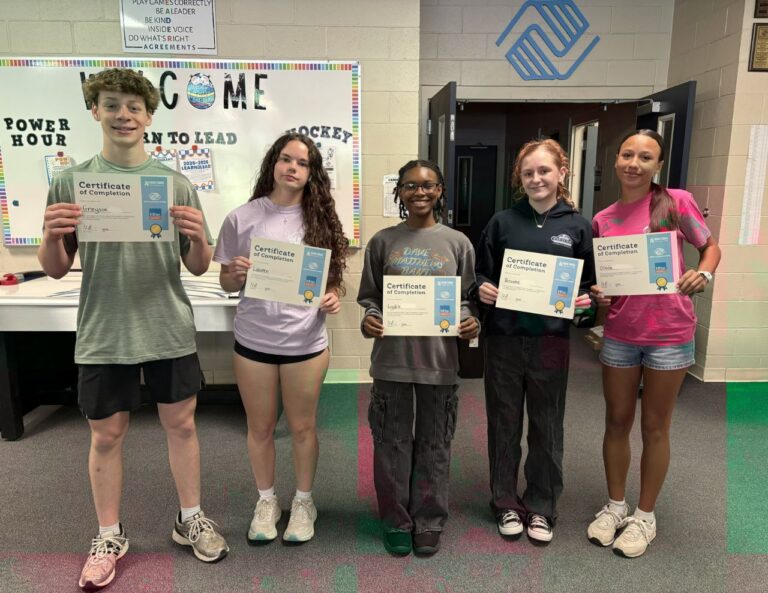
Dungan observed that the program’s difficulty level was appropriately challenging and inclusive. All students completed the curriculum, overcame technical challenges, and built strong projects. This demonstrated that the new club-led model effectively supports student engagement and achievement in AI education.
A highlight of the session included using AI to help make comparisons. Students discussed fitness and how different approaches to exercise, from strength training to weight loss, shape young people physically and mentally. Their conversation shifted from analyzing data to examining the responsibilities behind building technology, and whether the tools people design actually support healthy choices. Dungan observed that strong AI education often sparks such conversations, prompting students to focus less on the technology itself and more on its real-world impact.
The Wake County pilot is a significant milestone as the first Boys and Girls Clubs AI Bootcamp in the United States. The Mark Cuban Foundation now plans to expand the program to a dozen more clubs in 2026, using lessons learned for preparing youth leaders without a technical background, to scale its impact.
Before choosing to conduct this pilot, staff members had not been trained in AI, and in many ways, that makes the point. The Foundation built its partnership with Boys and Girls Clubs on the idea that youth leaders, given the right support and materials, can bring this program to students who would otherwise never encounter it. Wake County led the way. More clubs will follow.
Host an AI Bootcamp
The AI Bootcamp program succeeds when companies open their doors. Corporate partners provide the venue, mentors, and a strong signal to students about the real-world value of this knowledge. The Wake County pilot confirmed that the model can travel. Still, the flagship program hosted at companies remains the foundation’s main method to reach students who may not otherwise visit a tech company. If your organization is interested, contact us to learn how to get started.